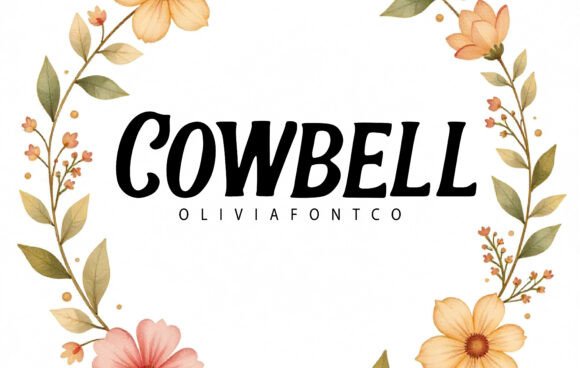
Cowbell: A Bold Retro Serif Display Font for Modern Web Design
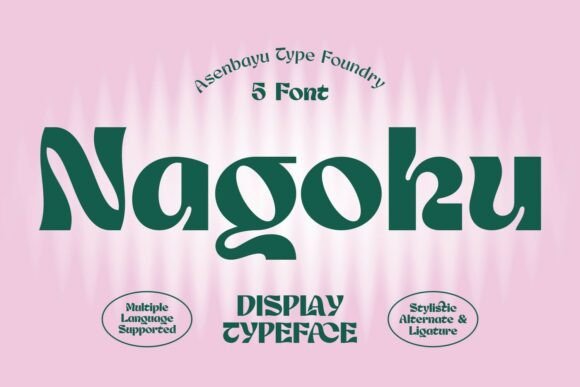
I was halfway through building a landing page for a boutique coffee roaster when I realized the hero section felt flat. The layout had plenty of whitespace and great photography, but the headline lacked the personality needed to stop a scroll. That is exactly when I decided to test Cowbell, a bold and stylish retro serif display font that blends vintage flair with a modern twist. As soon as I swapped the generic sans serif for this typeface, the entire mood of the site shifted from corporate to curated. Its thick, curvy letterforms and high contrast strokes give it a strong, confident presence while maintaining enough elegance to feel premium. For any web designer looking to elevate a digital brand, finding the right display fonts can make all the difference between a template look and a custom experience.
Using Cowbell to Create High-Impact Hero Sections
When working with Cowbell in a live browser environment, the first thing you notice is how well it commands attention in large sizes. This font shines brightest in hero sections where you need to establish immediate visual hierarchy. Because it is a display font by nature, it works best for short, punchy headlines rather than long paragraphs of body copy. I recently used it for a coaching website homepage, placing the main value proposition in Cowbell over a dark, textured background. The high contrast strokes popped beautifully against the imagery, creating a focal point that guided the user's eye straight to the call-to-action button. When selecting fonts for your next project, remember that a strong display typeface like Cowbell acts as the anchor for your entire layout, setting the tone before the user even reads a single word.
Optimizing Readability for Mobile and Responsive Layouts
One concern many designers have when choosing a retro serif is how it translates to smaller screens. During my testing phase with Cowbell, I paid close attention to how the thick, curvy letterforms rendered on mobile devices. Fortunately, the open counters and generous spacing ensure that the text remains legible even when scaled down for smartphone viewports. However, because this is a decorative display font, it is crucial to maintain adequate line height and avoid using it for anything smaller than a subheading. In a recent product landing page redesign, I ensured that Cowbell was only used for H1 and H2 tags, pairing it with a clean, neutral sans serif for the body text. This combination preserved the vintage aesthetic without sacrificing the UX principles required for fast scanning and easy reading on touch screens.
Pairing Cowbell with Modern Sans Serifs for Brand Balance
A common mistake in web design is overwhelming the user with too much stylistic noise. Since Cowbell brings so much character with its bold strokes and vintage vibe, it needs a quiet partner to balance the composition. I found that pairing this typeface with a geometric sans serif created a sophisticated tension that felt both nostalgic and current. For a digital brand kit I was assembling, I used Cowbell for the logo and major section headers, while relying on a simple, humanist sans serif for navigation menus and footer information. This approach allows the unique personality of the display fonts to shine without competing with functional elements. By keeping the supporting typography minimal, you let the curvy letterforms of Cowbell do the heavy lifting in establishing brand identity and emotional connection.
Elevating E-Commerce Banners and Promotional Graphics
Online store owners often struggle to make their promotional banners stand out in a crowded feed. Cowbell offers a solution for e-commerce sites that want to move away from the sterile, tech-focused look of standard web fonts. I implemented this font in a series of seasonal sale banners for a handmade jewelry shop, and the results were striking. The strong, confident presence of the typeface made the discount offers feel exclusive rather than desperate. Whether you are designing social media graphics, email headers, or website pop-ups, using a distinct display font like Cowbell can instantly signal quality and craftsmanship. It transforms a standard announcement into a styled editorial piece, encouraging users to engage with the brand on a deeper level than just transactional browsing.
Implementing Cowbell in Portfolio and Creative Agency Sites
For creative professionals, a portfolio website is more than a resume; it is a statement of taste. Integrating Cowbell into a portfolio homepage can immediately communicate a designer's appreciation for typography and detail. I used it recently for a photographer's site, where the thick strokes of the font mirrored the bold lines in the black-and-white imagery. The retro flair added a layer of artistic credibility that a default system font simply could not achieve. When building these types of sites, it is important to consider loading times and file formats. Ensuring you have the correct webfont files and commercial font licensing is essential before launching a client project. With the right technical setup, Cowbell becomes a powerful asset in your library of design assets, ready to bring a polished, professional look to any creative venture.
Choosing the Right Weights and Styles for Digital Consistency
Before committing to Cowbell for a full-scale website build, it is wise to review the available styles and weights included in the package. While this specific display font excels in its primary bold weight, understanding its full range helps you plan for different UI states, such as hover effects or secondary accents. In a course sales page I designed, I used the standard weight for the main headline but experimented with slight size adjustments to create a dynamic rhythm across the page. Always check for multilingual support if your audience is global, and verify that the font renders correctly across different browsers. By treating your font selection with the same rigor as your color palette or grid system, you ensure a consistent and trustworthy user experience that reflects well on your brand.